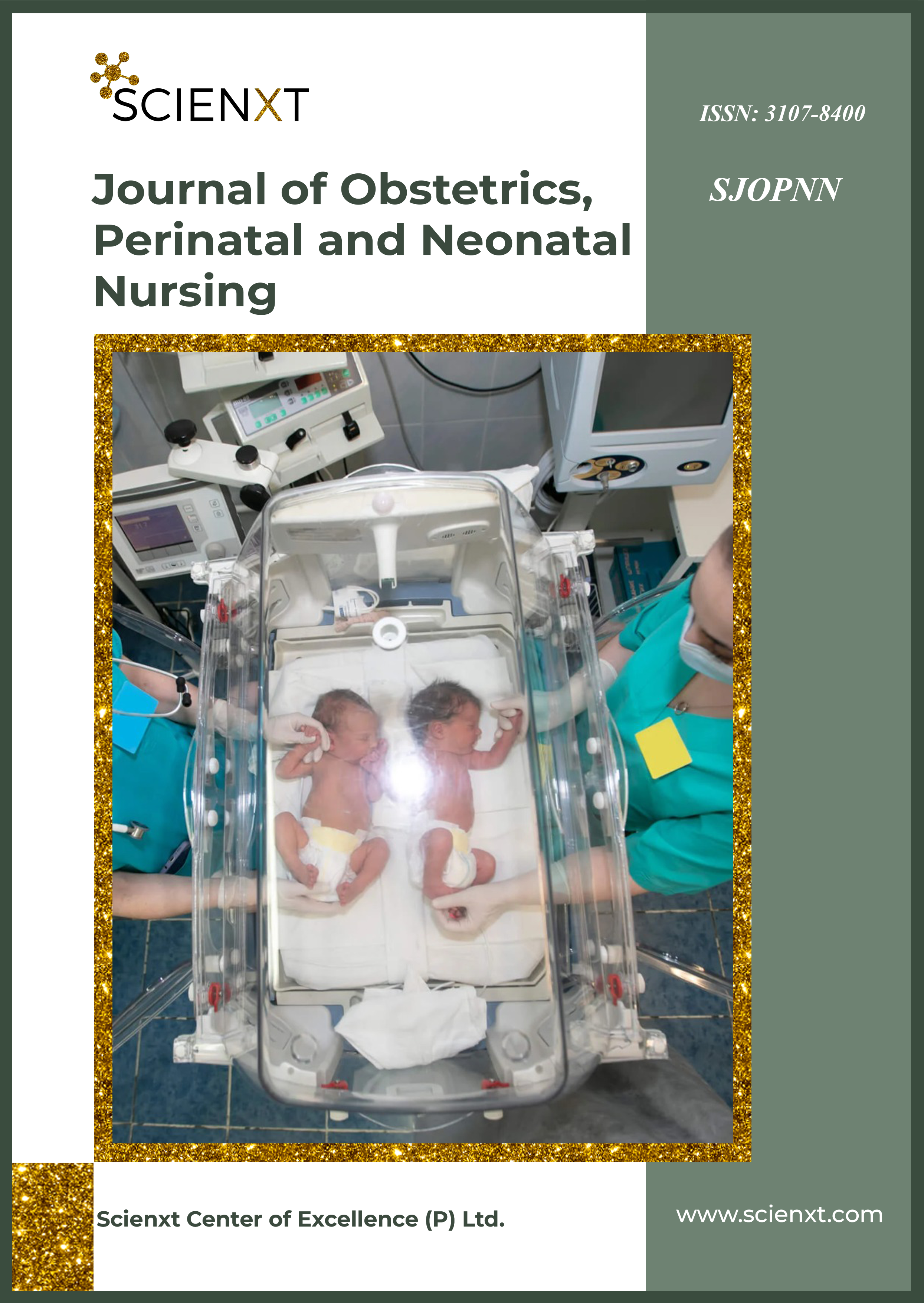
Nursing management of neonatal jaundice and prevention of complications
Abstract
Neonatal jaundice is a common clinical condition occurring during the early neonatal period due to elevated serum bilirubin levels associated with increased red blood cell breakdown and immature hepatic metabolism. Although physiological jaundice is usually self-limiting, severe hyperbilirubinemia can progress to acute bilirubin encephalopathy and kernicterus, resulting in permanent neurological impairment or death if not treated promptly. The condition is more prevalent among preterm and low-birth-weight infants, particularly in developing countries where delayed diagnosis, inadequate monitoring, and limited healthcare resources increase neonatal morbidity and mortality. Effective nursing management is essential for preventing complications through early assessment, bilirubin monitoring, breastfeeding support, parental education, and timely interventions such as phototherapy and exchange transfusion. Nurses play a critical role in identifying early signs of jaundice, monitoring treatment response, and promoting familycentered neonatal care. This article discusses the epidemiology, pathophysiology, risk factors, clinical manifestations, diagnostic evaluation, and nursing management of neonatal jaundice. It also highlights preventive strategies, community nursing care, recent advances in neonatal management, and the importance of standardized guidelines in improving neonatal outcomes and preventing bilirubin-induced neurological complications.
Keywords:
Neonatal jaundice, hyperbilirubinemia, nursing management, phototherapy, kernicterus, neonatal care, bilirubin, newborn complicationsPublished
 Abstract Display: 16
  PDF Downloads: 40
 Issue
Section
Copyright (c) 2026 Scienxt Center of Excellence (P) Ltd

This work is licensed under a Creative Commons Attribution-NonCommercial-NoDerivatives 4.0 International License.