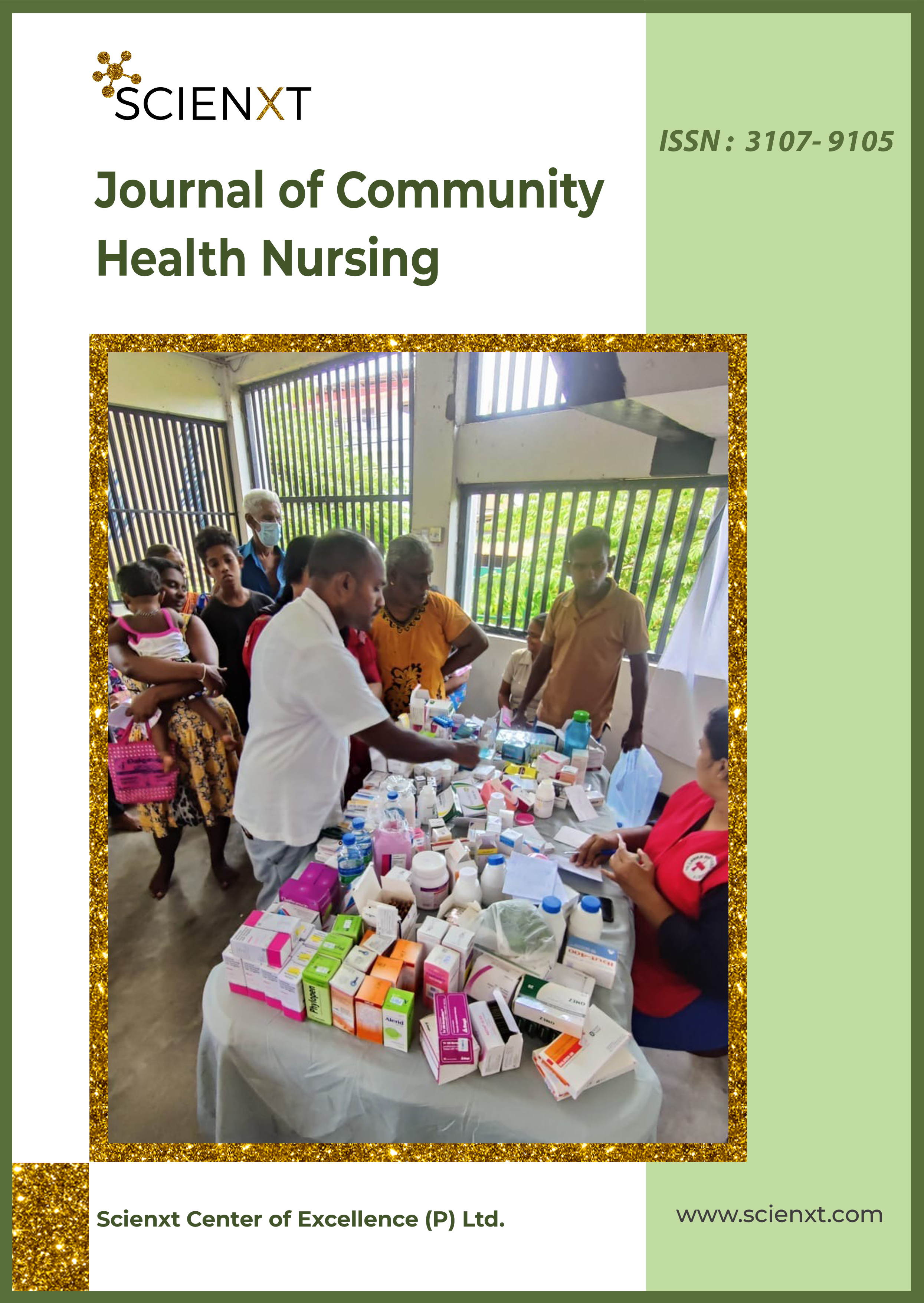
Lifestyle disease prevention in rural communities: Anassessment of health literacy, risk perception, preventivebehaviours, and community awareness among adults
Abstract
Lifestyle diseases, including hypertension, diabetes mellitus, cardiovascular diseases, obesity, chronic respiratory diseases, and certain cancers, have become a major public health concern in rural communities owing to rapid socioeconomic changes, unhealthy dietary practices, physical inactivity, tobacco use, harmful alcohol consumption, and inadequate access to preventive healthcare services. Despite the increasing burden of these non-communicable diseases, many rural populations continue to experience low health literacy, poor awareness of disease risk factors, limited perception of personal susceptibility, and delayed healthcare-seeking behaviour, resulting in late diagnosis and increased disease-related complications. Health literacy plays a fundamental role in enabling individuals to access, understand, evaluate, and apply health information necessary for making informed decisions regarding disease prevention and healthy living. Likewise, appropriate risk perception encourages the adoption of preventive behaviours such as balanced nutrition, regular physical activity, smoking cessation, stress management, routine health screening, and adherence to medical advice. Community awareness, supported by healthcare professionals, community health workers, educational institutions, local leaders, and government initiatives, further strengthens health promotion activities and facilitates sustainable behavioural change.
Keywords:
Lifestyle diseases, non-communicable diseases, rural health, health literacy, preventive behaviour, risk perception, community awareness, health promotion.Published
 Abstract Display: 60
 PDF Downloads: 41
Issue
Section
Copyright (c) 2026 Scienxt Center of Excellence (P) Ltd

This work is licensed under a Creative Commons Attribution-NonCommercial-NoDerivatives 4.0 International License.