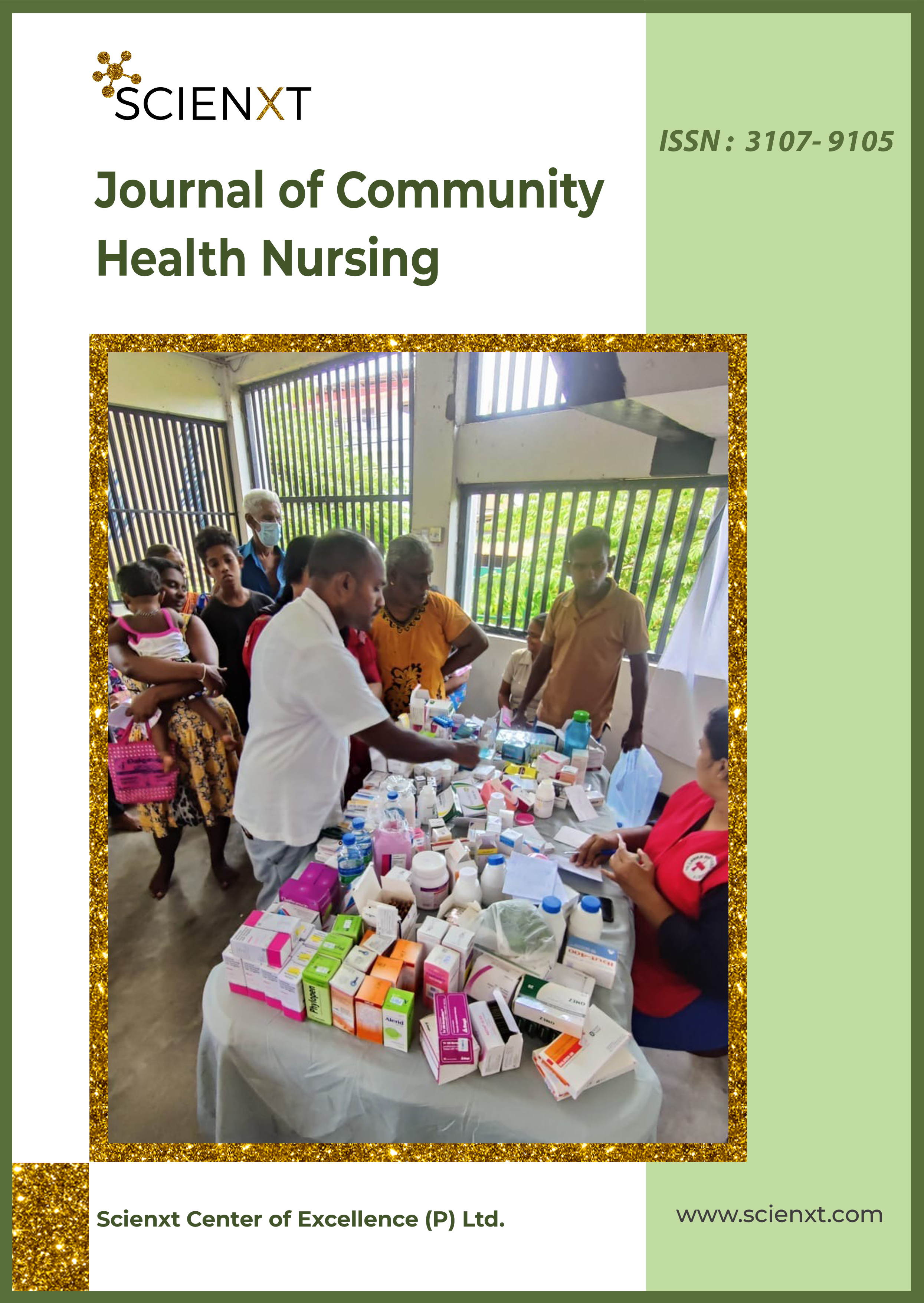
Effectiveness of nurse-led educational programs in improving community health and managing social disease
Abstract
Nurse-led educational programs have gained significant attention as an effective strategy for improving community health and managing social diseases. These programs focus on enhancing health awareness, promoting preventive behaviors, and empowering individuals to take responsibility for their health. The present article examines the effectiveness of nurse-led interventions in addressing both communicable and non-communicable social diseases, including tuberculosis, HIV/AIDS, and chronic conditions such as diabetes and cardiovascular disorders. Through structured education, counselling, and continuous follow-up, nurses play a crucial role in influencing behavioural change and improving treatment adherence. Evidence from recent studies highlights that nurse-led programs contribute to increased health literacy, reduced disease prevalence, improved self-care practices, and enhanced quality of life among community members. These interventions are particularly beneficial in resource-limited settings, where access to healthcare services is often restricted. The article also explores the role of community-based education, behavior change models, and the integration of healthcare services in achieving sustainable health outcomes. Despite challenges such as limited resources, workforce shortages, and cultural barriers, nurse-led educational programs have demonstrated strong potential in reducing the burden of social diseases
Keywords:
Nurse-Led Education, Community Health, Social Diseases, Health Promotion, Disease Prevention, Behavioural Change, Chronic Disease Management, Health Literacy, Public Health Nursing, Community Based InterventionsPublished
 Abstract Display: 33
 PDF Downloads: 30
Issue
Section
Copyright (c) 2026 Scienxt Center of Excellence (P) Ltd

This work is licensed under a Creative Commons Attribution-NonCommercial-NoDerivatives 4.0 International License.